
Leading theMental HealthCivil Rights Movement
Our mission is to end the mental health crisis and ensure all Americans their right to the pursuit of happiness.
Join our newsletter (we'll never spam) and learn about ways you can get involved.
In February of 2024, I lost my father to suicide.
And as tragic as his death was, it was just one of approximately 131 suicides in America that day. It would take just 11 minutes after my father's passing for another suicide to occur in this country. And then again 11 minutes later. And again, and again…


The nightmare of my father's suicide awakened me to the mental health epidemic in this country. 1 in 5 Americans, or 68 million people, live with a mental illness (CDC) . As it turns out, my father's story is the rule, not the exception.
How is that possible? How did we let things get so bad — for ourselves, our families and our fellow citizens?
Mental health is inseparable from physical health, yet is excluded from insurance coverage, underfunded in public health systems, and even criminalized. This creates a two-tiered system in which those with mental illness are denied equal access to care, due process, and life itself. Of those with mental health challenges, only 1 in 3 get any care at all, and when they do, it takes an average of 8 years (CDC).
This current binary creates two standards so substantively different that it wouldn't even qualify as 'separate but equal'. This paradigm, in other words, wouldn't have satisfied an unjust standard in the 1950s and yet, here it stands in 2025.


Legislation is the only tool with the scale and durability to correct systemic disparities in mental health care. Just as civil rights laws in the 1960s reshaped discriminatory institutions through enforceable rights—not voluntary efforts—mental health reform now requires binding protections. And because mental health affects every community, it remains one of the few issues capable of generating genuine bipartisan momentum for lasting change.
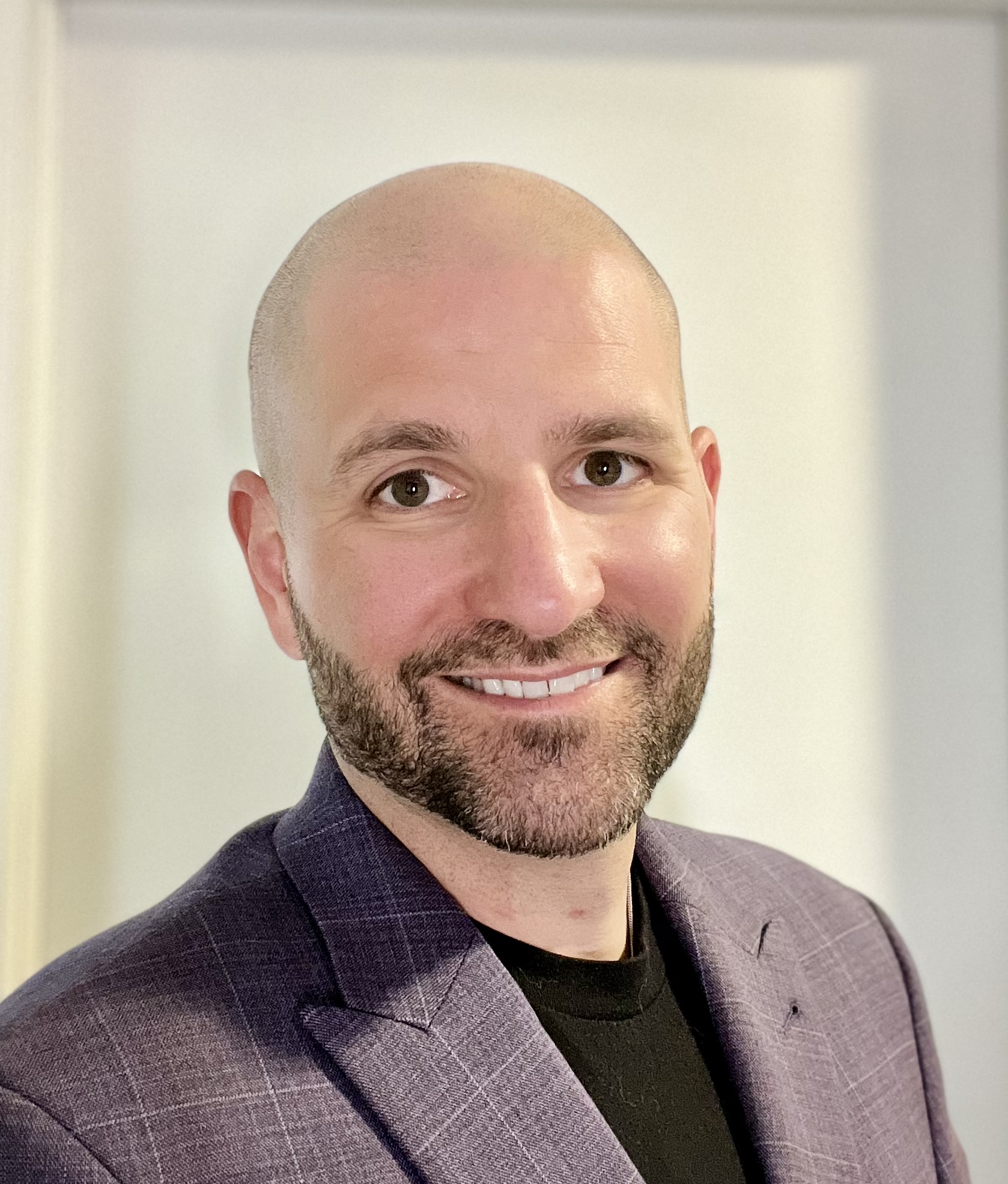
— Jono Wilde, Executive Director
To protect and advance mental health civil rights, eliminate stigma, and codify a floor of protections and accountability to ensure equal treatment under the law.
Of all the forms of inequality, injustice in health is the most shocking and the most inhuman because it often results in physical death.
Mental health legislation has strong bi-partisan support
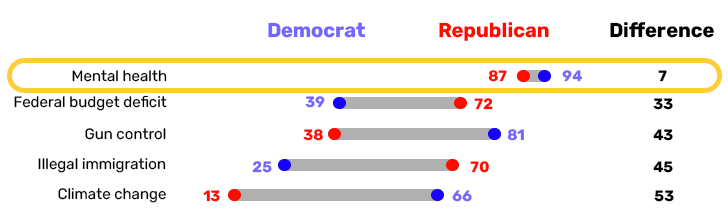
Sources: Pew Research, Inseparable Research
There is unanimous support for mental health reform across the political spectrum. In fact, 88% of voters (164 million Americans) say addressing this crisis should be an important priority (Inseparable).
The Life, Liberty and Pursuit of Happiness Act
— A Mental Health Civil Rights Bill —
Equal Treatment Under the Law
Safeguards against discrimination in jobs, schools, housing, and public life for people with mental health conditions.
Fair Access to Care
Ensures mental health care is available, affordable, and treated the same as physical health by all insurance plans and under the law.
Solving the Mental Health & Crime Crisis
Shifts crisis response from police and jails to community-based, coordinated care.
Dignity in Care & Patient Bill of Rights
Protects patient autonomy, informed consent, and humane care in treatment settings. Establishes a Patient's Bill of Rights
Strong Families, Communities, & Veterans
Ensures mental health services are inclusive, accessible, tailored to diverse communities, and integrated into current care systems.
Youth, Education, & Employment Protections
Guarantees school accommodations, standardizes mental health education, bans unfair discipline, and expands workplace supports.
Accountability & Smart Investment
Creates federal and state oversight bodies, and secures sustainable investments in a strong mental health system for all Americans.
Innovation & Research for the Future
Advance evidence-based mental health care through research, data collection, transparency, and innovation.
A society in which every person — and every mind — can live with dignity, belonging, and the opportunity to thrive.
They're all working on the same eight things.
Dozens of organizations across the country are already advancing mental health, each working on a different piece of the problem. The Life, Liberty & Pursuit of Happiness Act connects their work under eight civil-rights titles — and advances all of it at once.
See the landscape →The care of human life and happiness, and not their destruction, is the first and only legitimate object of good government
Meet the Team
Board of Directors
Jono Wilde
Executive Director
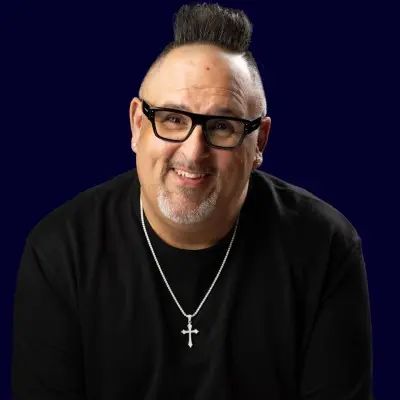
Shawn Nason
Former Walt Disney Imagineer, BIPOC & Neurodiversity Advocate
Craig Kramer
National Action Alliance for Suicide Prevention, Co-Chair

Dr. Dan Radecki
Neuroscientist & President at Object Pharma

Dennis Fluet
Member, Board of Directors at Object Pharma
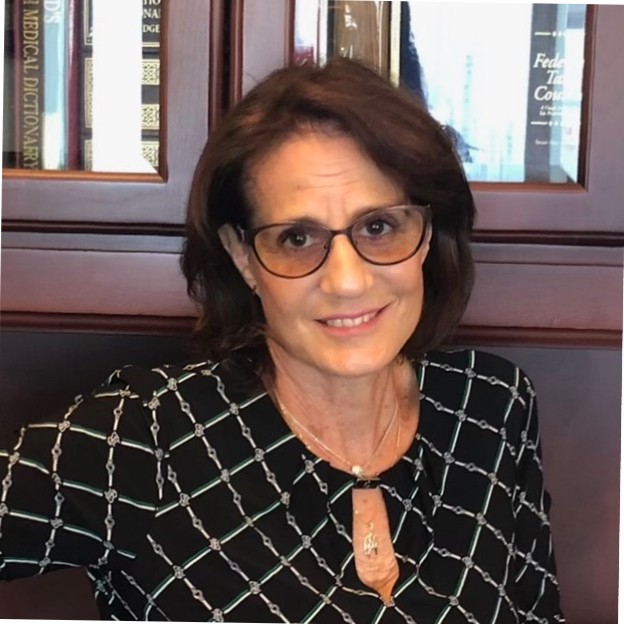
Grace Lovret
Managing Director and CIO of Franger LLC

Dr. Naomi Torres-Mackie
Licensed Psychologist
Advisory Committee

Andrew Frawley
Good Life Movement Founder, Founding Communications & Marketing Lead at Ash by Slingshot

Andrew Yang
2020 Presidential Candidate, Founder of the Forward Party, CEO of Noble Mobile

Linsey Morrison
Founder of the Sunny Springs Advisory Group, Technology Attorney

Thomas Insel MD
Psychiatrist-Neuroscientist, Director of NIMH 2002-2015
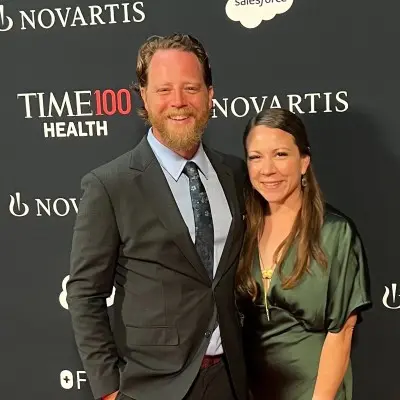
Scott LoMurray
Executive Chair of Sources of Strength, Time100 Health Honoree

Giovanni Colella, MD
Psychiatrist and Serial Healthcare Entrepreneur
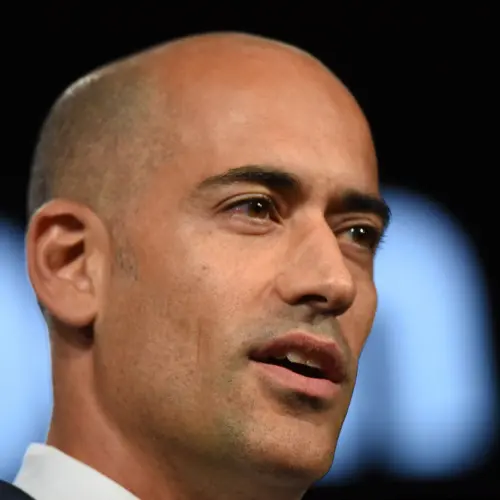
Joshua Graham Lynn
RepresentUS Founder, Principal at JGL Inc.

Karen L Pierce, MD
Northwestern Medicine Clinical Associate Professor, Psychiatry and Behavioral Sciences

Emily Wineland
Co-Founder, Level Wins GoodChange & SmartChange

Kathleen Coffen
National Project Director, Stop Stigma Together

Mark Rapaport, MD
Founding CEO Emeritus, Huntsman Mental Health Institute at University of Utah School of Medicine

Alexandra Miles
CEO/Founder, Project Blackbird
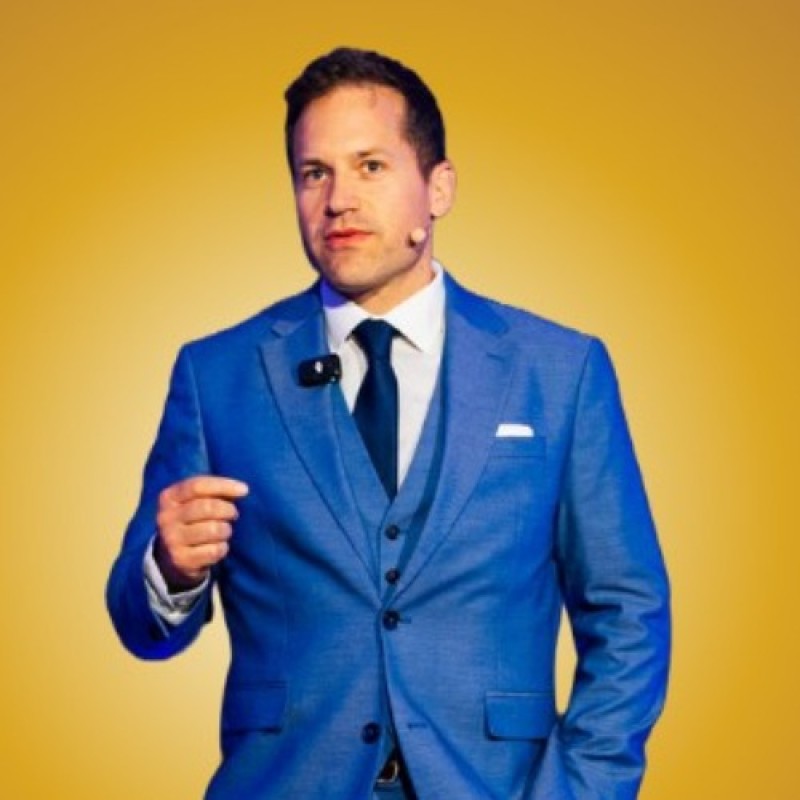
Benjamin Ulrich
Founder, The Family Office Roundtable

Andy Jiang
Mental Health Enthusiast

Nagi Alsubai
Founder & President at Peer Minds

Vetnah Monessar
CEO at the First Hope Center

Edward Garcia
Founder & CEO at fwd Health Partners

Todd Feldman
Creator of Braindash

Mark Fujiwara
Founder & CEO at Sanctuary 88

Lyssette Galvan
MSW - Mental Health Advocate














A society in which the mentally ill are no longer alien to our affections or beyond the help of our communities.

Here's Why Object Pharma and I Support The Good Life Movement
One in five Americans struggles with mental health. Object Pharma CEO Kenton Lee lost his mother to suicide at 14. Now he's funding a grassroots movement to drive real legislative change.
Read Kenton's Story